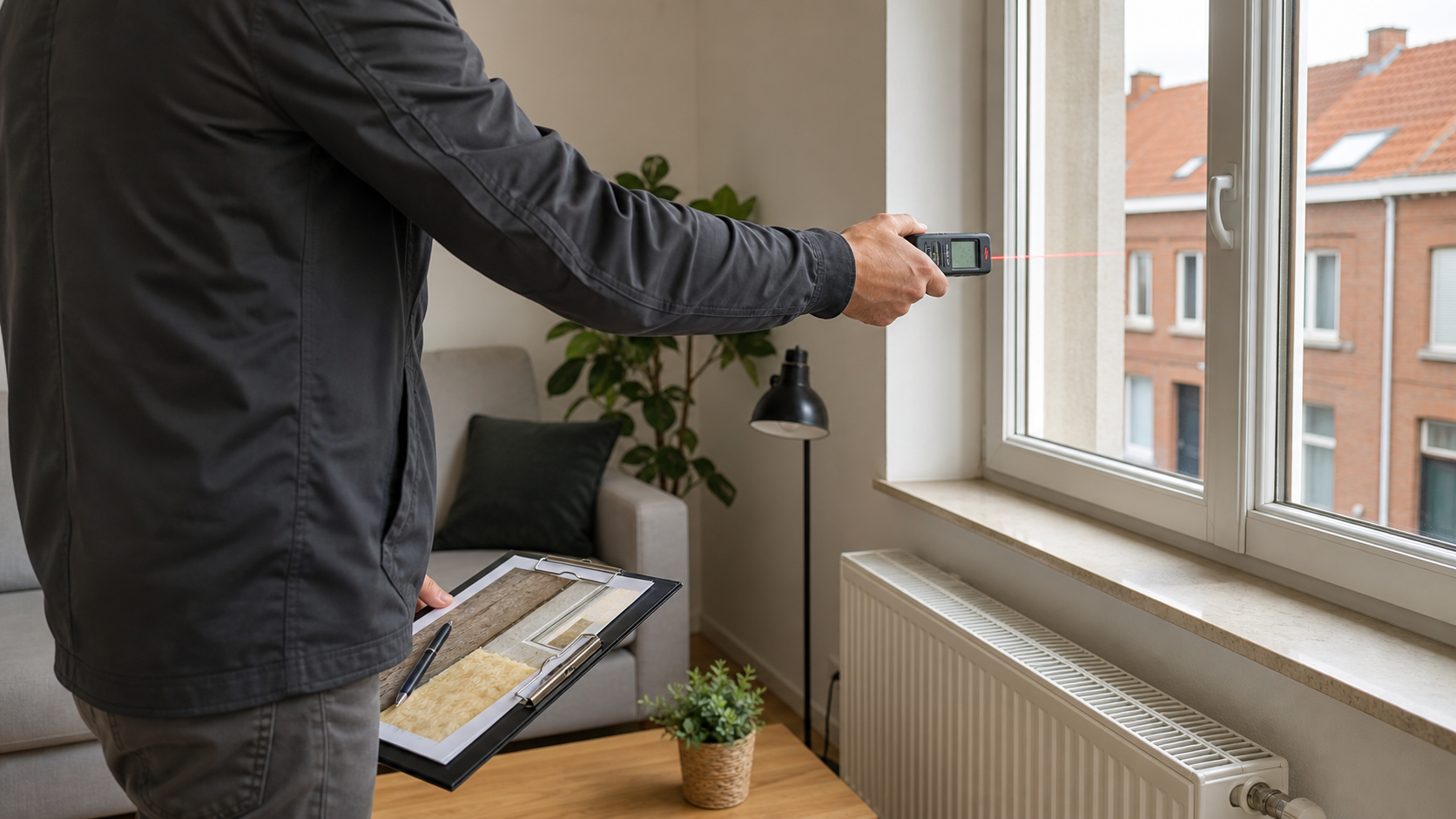
Residential EPC
For sale or rental of homes, apartments and studios. Fixed pricing and certificate within the week.
More info →
For homes, small non-residential units and common apartment areas. We work with recognised type-A energy experts.
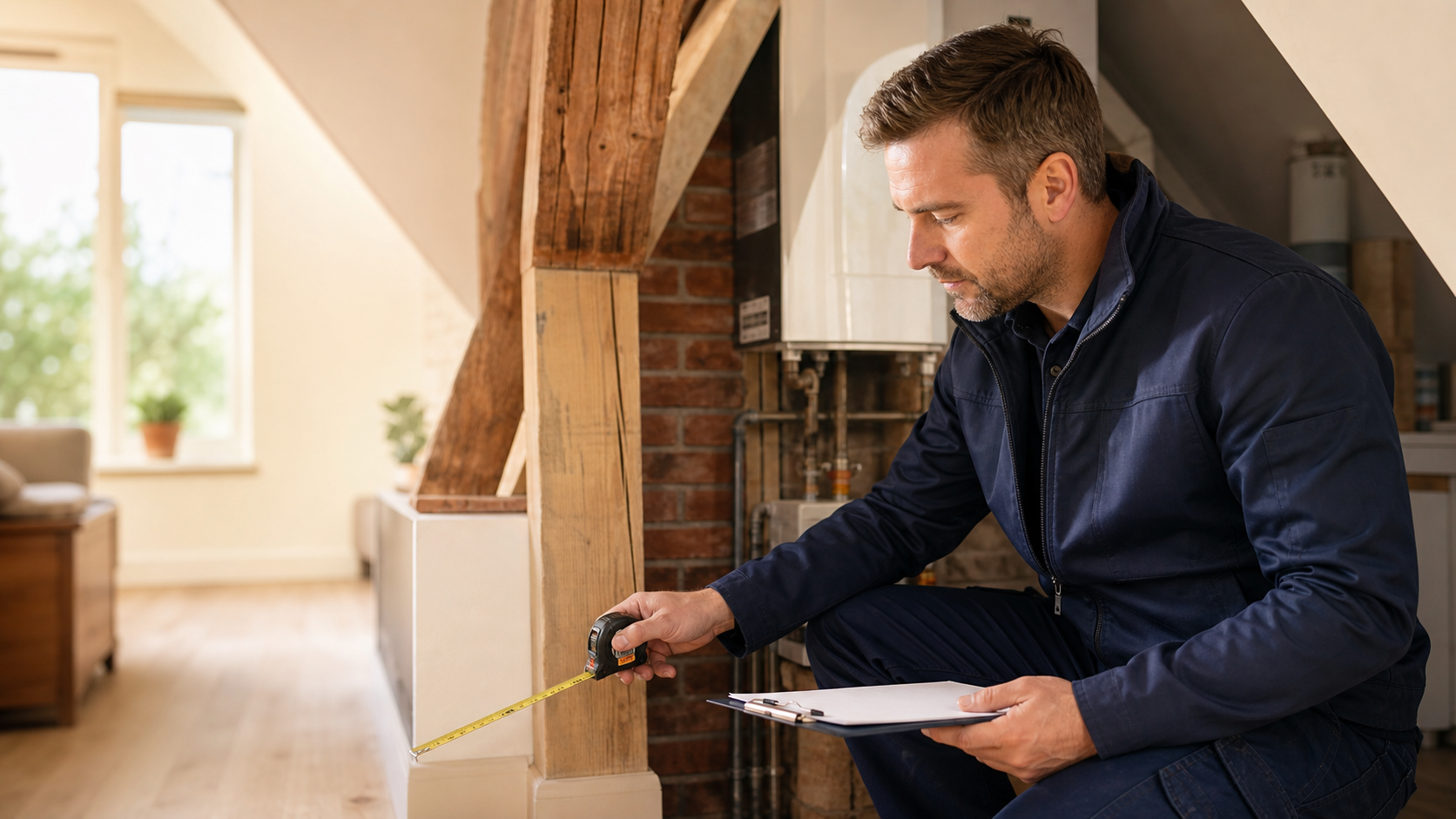
For sale or rental of homes, apartments and studios. Fixed pricing and certificate within the week.
More info →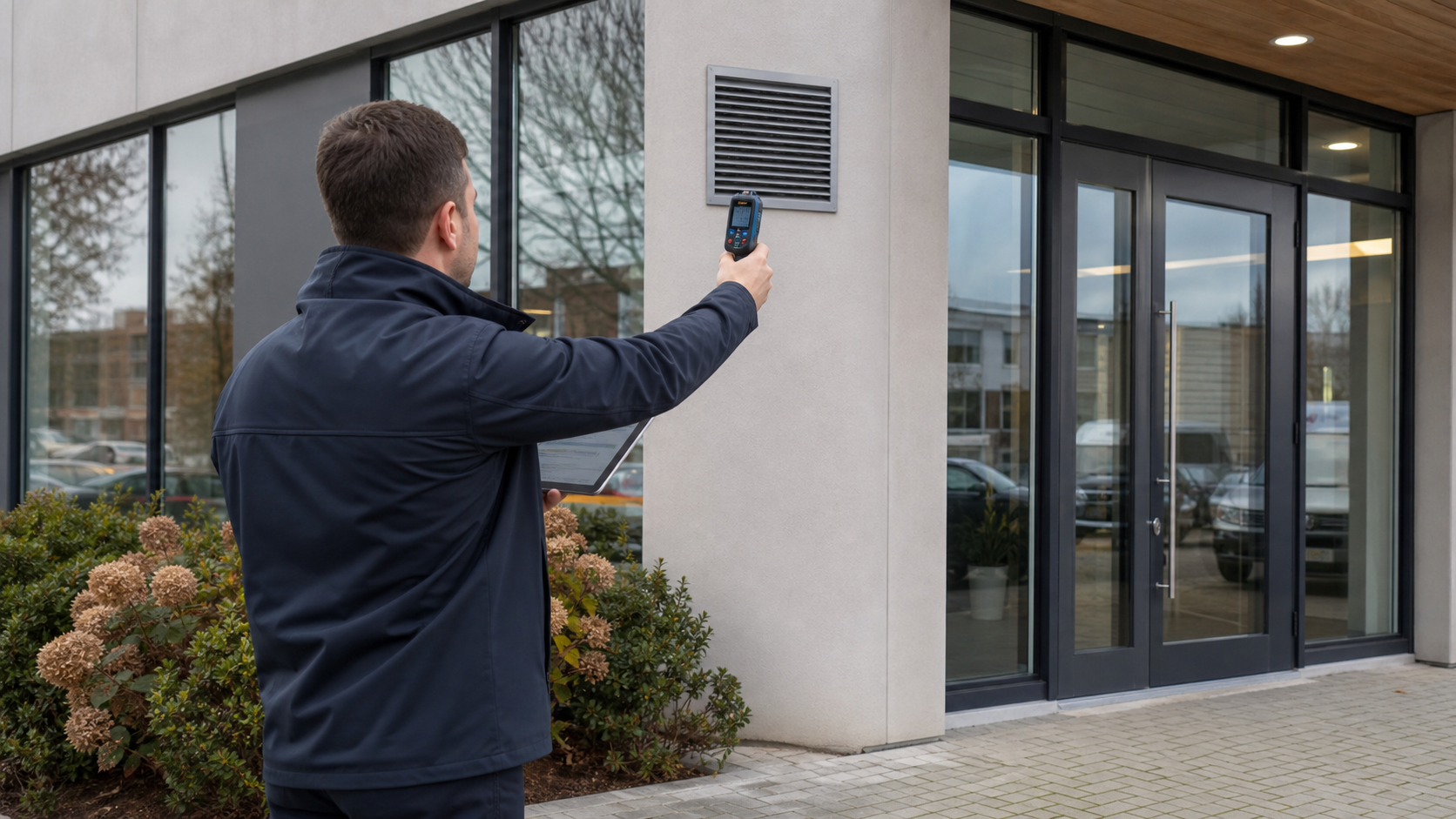
For office, shop, practice, horeca or other small non-residential use.
More info →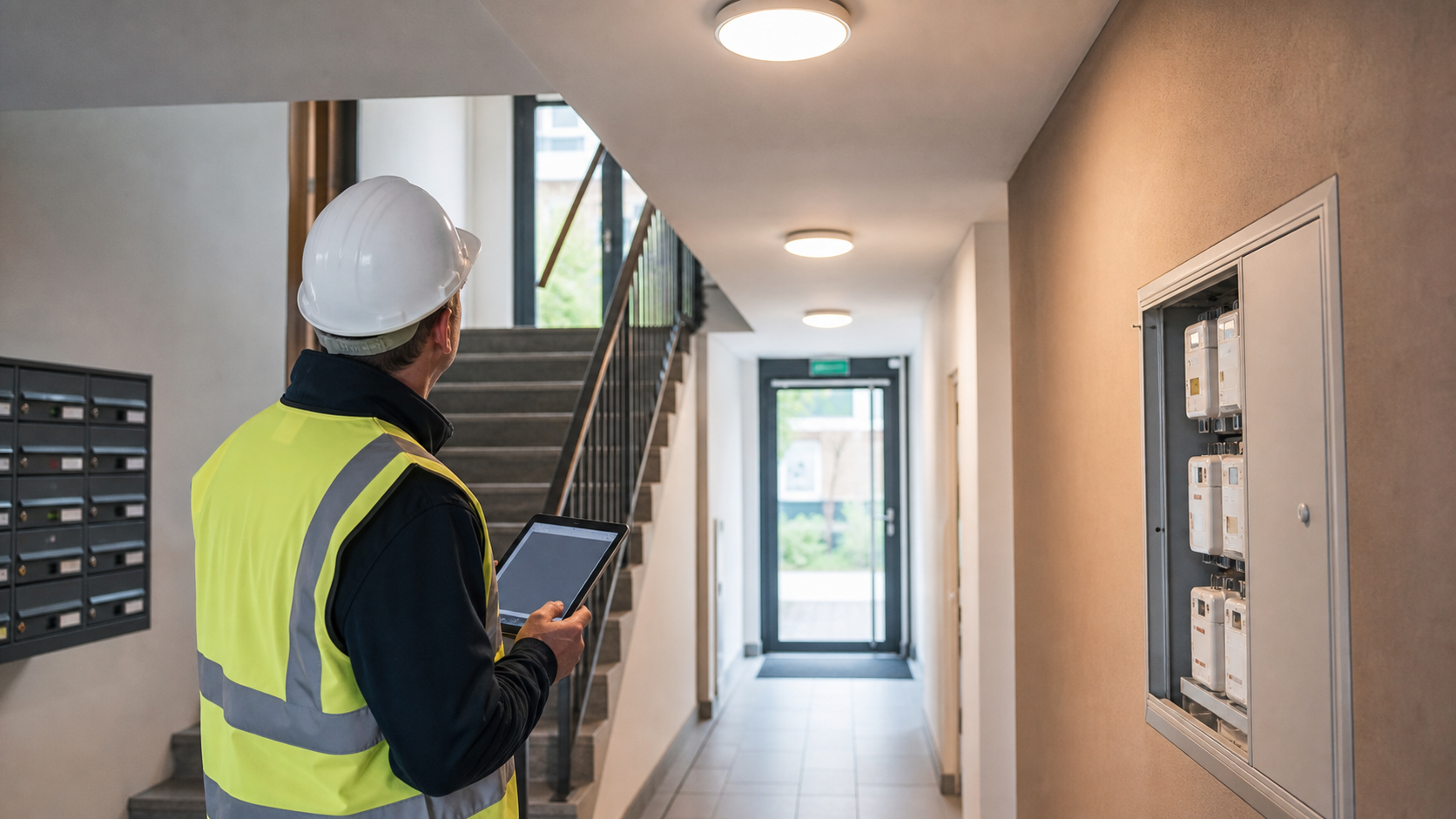
Once you approve, we set a date for the mandatory site visit. You receive the checklist, so you know which documents are useful.
The energy expert either establishes things on site, or uses an accepted supporting document.
The energy expert compiles the file, enters all the data into the software, and the software calculates the result.
After the calculation you receive the draft version and the invoice. Once paid, the file is submitted and you receive the official EPC.
Helps you choose which type you need and what that means in practice.
A residential EPC applies to homes, apartments and studios; a non-residential EPC applies to smaller non-residential uses such as an office, shop, practice or horeca with a limited floor area.
At sale in full ownership, at rental for contracts of two months or longer, for homes offered for sale without publicity since 1 April 2022, and for new usufruct arrangements.
That's a separate EPC for the shared building envelope of an apartment building — roof, exterior walls, floor, windows/doors, lighting and collective heating, hot water or solar installations — apart from the individual EPCs per residential unit.
Yes, after energy renovations to the shared building envelope, that EPC must be updated, independent of individual sales or rentals within the building.
A non-residential EPC applies to a non-residential use with a usable floor area of up to 500m² and an adjoining non-residential unit of up to 1,000m²; larger or other properties fall outside that scope.
Yes. If you wish, we go through the EPC with you afterwards and talk it over, so you know where your label comes from.
Send the address and context. We'll get back to you quickly with a clear quote.